Category Archives: ayurvedic treatment

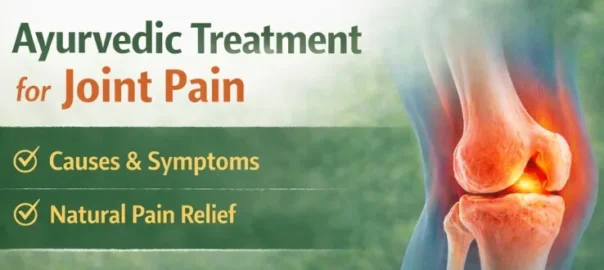
Ayurvedic Treatment for Joint Pain

Joint pain is one of the most common health problems in India today. Earlier it was seen mostly in older people, but now even people in their 30s and 40s suffer from knee pain, shoulder pain, and stiffness.

Many people search on Google:

  • best ayurvedic medicine for joint pain
  • knee pain treatment without surgery
  • natural remedy for arthritis
  • joint pain oil for massage
  • herbal treatment for joint pain

If you are also looking for safe and long-term relief, this complete guide will help you understand joint pain and how Ayurveda can support natural healing.

🦴 What is Joint Pain?

Joint pain means pain, stiffness, or swelling in the area where two bones meet. It can be mild or severe. Some people feel pain only while walking, while others feel constant discomfort.

Common joints affected:

  • Knee
  • Shoulder
  • Elbow
  • Back joints
  • Wrist
  • Ankle

If joint pain continues for more than 2–3 weeks, it should not be ignored.

🔎 Main Causes of Joint Pain

1️⃣ Arthritis

Arthritis is the most common reason for joint pain.

Two main types:

  • Osteoarthritis (wear and tear of joints)
  • Rheumatoid arthritis (autoimmune condition)

2️⃣ High Uric Acid

Excess uric acid can cause swelling and severe joint pain (gout).

3️⃣ Injury or Overuse

Sports injury or heavy physical work can damage joints.

4️⃣ Vitamin D & Calcium Deficiency

Weak bones and joints can cause pain.

5️⃣ Obesity

Extra body weight puts pressure on knee joints.

6️⃣ Ageing

With age, cartilage becomes weak and thin.

⚠ Common Symptoms of Joint Pain

  • Morning stiffness
  • Swelling in joints
  • Pain while walking or moving
  • Warm feeling around joint
  • Reduced flexibility

If symptoms are regular and increasing, proper treatment is important.

🌿 Joint Pain in Ayurveda (Sandhivaat)

In Ayurveda, joint pain is called Sandhivaat.

It mainly happens due to imbalance of Vata dosha.

When Vata increases in the body:

  • Joints become dry
  • Lubrication reduces
  • Pain and stiffness increase

Ayurveda focuses on treating the root cause, not just temporary pain relief.

🌱 Best Ayurvedic Herbs for Joint Pain

1️⃣ Ashwagandha

Helps reduce inflammation and improves muscle strength.

2️⃣ Shallaki (Boswellia)

Very effective for arthritis and swelling.

3️⃣ Guggul

Supports joint flexibility and reduces stiffness.

4️⃣ Nirgundi

Used for pain and swelling relief.

5️⃣ Rasna

Traditional herb for joint and muscle pain.

These herbs are commonly used in Ayurvedic joint pain tablets, capsules, and oils.

🥗 Diet & Lifestyle Tips for Joint Pain

✔ Eat warm and freshly cooked food

✔ Include turmeric and ginger in diet

✔ Do light exercise and stretching

✔ Maintain healthy body weight

✔ Practice yoga

Avoid:

❌ Excess sugar

Deep fried food

❌ Cold drinks

❌ Too much packaged food

Lifestyle improvement plays a big role in joint pain recovery.

⏳ How Long Does Ayurvedic Treatment Take?

  • Mild joint pain: 4–6 weeks
  • Chronic arthritis: 3–6 months

Ayurveda works slowly but gives long-term stability and strength to joints.

❓ Frequently Asked Questions

Q1: Which is the best ayurvedic medicine for joint pain?

Herbal combinations with Shallaki, Guggul, and Ashwagandha are commonly recommended.

Q2: Can joint pain be cured permanently?

In early stages, proper treatment and lifestyle changes can control and reduce symptoms significantly.

Q3: Is Ayurvedic medicine safe?

When taken in proper dosage under guidance, Ayurvedic medicines are generally safe.

Q4: Can I avoid surgery with Ayurveda?

In early and moderate stages, many people manage pain naturally. Severe cases need medical advice.

✅ Conclusion

Joint pain is common but it should not be ignored. Instead of depending only on temporary painkillers, natural and holistic treatment can support long-term relief.

Ayurveda offers time-tested herbs, proper diet guidance, and lifestyle correction to improve joint health naturally.

If you are looking for safe, herbal, and long-term support for joint pain, understanding Ayurveda is the first step toward better mobility and comfort.

ayurvedic treatment for indigestion

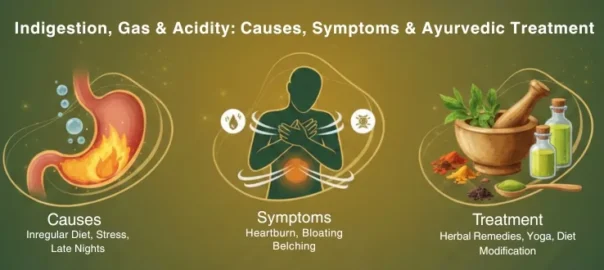
Digestive problems such as indigestion, gas, acidity, and bloating have become very common in today’s lifestyle. Irregular eating habits, processed food, lack of physical activity, and stress often disturb the natural digestive system. In India, Ayurveda has been used for centuries to support healthy digestion in a natural and holistic way.

This article explains the causes, symptoms, and Ayurvedic treatment for indigestion, gas, and acidity, along with practical diet and lifestyle guidance to support digestive health naturally.

Understanding Digestion Problems in Ayurveda

In Ayurveda, digestion is governed by Agni (digestive fire). When Agni is balanced, food is properly digested, and nutrients are absorbed. When Agni becomes weak or disturbed, it leads to the formation of Ama (undigested toxins) in the body. This imbalance is considered a root cause of many digestive problems.

Digestive issues are also influenced by Doshas:

  • Vata imbalance – gas, bloating, irregular digestion
  • Pitta imbalance – acidity, heartburn, sour belching
  • Kapha imbalance – heaviness, slow digestion, loss of appetite

Ayurvedic treatment focuses on restoring the balance of Agni and Doshas rather than only suppressing symptoms.

Common Causes of Indigestion, Gas & Acidity

Several lifestyle and dietary factors contribute to digestive discomfort:

  • Eating spicy, oily, or processed foods regularly
  • Irregular meal timings or skipping meals
  • Eating too fast or overeating
  • Drinking very cold beverages with meals
  • High stress and poor sleep patterns
  • Sedentary lifestyle and lack of exercise
  • Excess tea, coffee, or carbonated drinks

Over time, these habits weaken digestion and can cause recurring stomach issues.

Symptoms of Digestive Problems

People experiencing digestion problems may notice:

  • Heaviness after meals
  • Frequent burping or bloating
  • Burning sensation in the chest (acidity)
  • Sour taste in the mouth
  • Abdominal discomfort
  • Constipation or irregular bowel movements
  • Loss of appetite

If such symptoms are frequent, it indicates that digestion needs long-term support rather than only temporary relief.

Read More for Ayurvedic Solution for Digestion and Gut Health Problems

Ayurvedic Treatment for Indigestion, Gas & Acidity

Ayurvedic treatment for digestion problems focuses on strengthening Agni, reducing Ama, and balancing Doshas. The approach is natural and supportive of long-term gut health.

1) Herbal Support for Digestion

Classical Ayurvedic herbs are traditionally used to support digestive health:

  • Triphala – Supports regular bowel movement and gut cleansing
  • Ajwain (Carom Seeds) – Traditionally used for gas and bloating
  • Jeera (Cumin) – Supports digestion and reduces heaviness
  • Hing (Asafoetida) – Helps with gas and abdominal discomfort
  • Saunf (Fennel) – Known for soothing digestion

These herbs are often used in formulations to support digestion and appetite.

2) Ayurvedic Diet for Better Digestion

Diet plays a major role in improving digestion naturally. According to Ayurveda:

Foods that support digestion:

  • Warm, freshly cooked meals
  • Light foods like rice, dal, and vegetables
  • Buttermilk (in moderation)
  • Ginger-infused warm water
  • Simple home-cooked meals

Foods to avoid or reduce:

  • Very spicy, fried, and oily foods
  • Processed and packaged snacks
  • Excess sugar and bakery items
  • Cold drinks and ice cream
  • Eating late at night

Eating at regular times and avoiding overeating helps maintain digestive balance.

3) Simple Lifestyle Habits to Improve Digestion

Small daily habits can improve digestion over time:

  • Eat meals at fixed times
  • Avoid lying down immediately after eating
  • Walk for 5–10 minutes after meals
  • Manage stress through relaxation techniques
  • Get adequate sleep
  • Drink warm water instead of cold water

Consistency in routine is important for stable digestion.

Ayurvedic Home Practices for Gas & Acidity

Traditional home practices followed in many Indian households include:

  • Drinking warm water after meals
  • Chewing a small quantity of roasted fennel seeds after food
  • Including ginger in daily cooking
  • Avoiding heavy meals at night

These practices are part of daily dietary wisdom and support digestive comfort when followed regularly.

Read More for Ayurvedic Way to Cure Acidity: Top Home & Herbal Solutions

When to Consider Professional Guidance

If digestion problems are frequent, severe, or long-lasting, it is advisable to consult a qualified Ayurvedic practitioner. Individual constitution (Prakriti) and Dosha imbalance vary from person to person, so personalised guidance helps in achieving better results.

Frequently Asked Questions (FAQs)

Q1. What is the Ayurvedic treatment for indigestion?

Ayurvedic treatment focuses on improving Agni (digestive fire), balancing Doshas, and reducing Ama through diet, lifestyle changes, and traditional herbs.

Q2. Are Ayurvedic remedies useful for gas and acidity?

Ayurveda traditionally uses digestive herbs and dietary practices to support relief from gas and acidity while strengthening long-term digestion.

Q3. Can digestion problems be prevented naturally?

Yes. Regular meal timings, simple home-cooked food, stress management, and healthy daily habits help prevent common digestive issues.

Q4. Why do digestive problems occur frequently today?

Modern lifestyle factors such as irregular eating patterns, processed food, lack of physical activity, and stress disturb digestion over time.

Conclusion

Indigestion, gas, and acidity are common digestive concerns in today’s fast-paced lifestyle. Ayurveda views these problems as signs of weakened digestive fire and imbalance in the body. By following Ayurvedic dietary principles, simple lifestyle habits, and traditional digestive practices, it is possible to support long-term digestive health naturally.

👉 Distributors looking to add digestive health products can explore manufacturers in Gujarat to expand their Ayurvedic product portfolio.

lung health care

Introduction: Why Lung Health Needs Attention Today

Lung health plays a vital role in overall well-being, energy levels, and immunity. With rising air pollution, smoking habits, sedentary lifestyles, and increased exposure to dust and chemicals, breathing problems are becoming common across all age groups. Many people experience symptoms such as shortness of breath, chest congestion, frequent cough, and low stamina, which are often signs of weak lung health.

Ayurveda offers a natural, preventive, and holistic approach to improving lung health. Instead of focusing only on symptoms, Ayurvedic lungs care strengthens the respiratory system, clears accumulated toxins, balances the doshas, and supports long-term healthy breathing. This blog explains how to improve lung health naturally through Ayurvedic principles, herbs, diet, lifestyle, and yoga.

What Is Lung Health?

Lung health refers to the ability of the lungs to take in oxygen efficiently and remove carbon dioxide smoothly. Healthy lungs support proper oxygen circulation, strong immunity, and better physical endurance.

Signs of Healthy Lungs

  • Easy and deep breathing
  • Good stamina during physical activity
  • Minimal mucus formation
  • Strong immunity against infections

Signs of Poor Lung Health

  • Breathlessness
  • Frequent cough and cold
  • Chest tightness or congestion
  • Fatigue and low energy levels

Improving lung health naturally helps prevent chronic respiratory issues and supports overall vitality.

Ayurvedic View on Lung Health

In Ayurveda, the respiratory system is governed by Pranavaha Srotas, which controls breathing and life energy (Prana). Balanced functioning of Pranavaha Srotas ensures healthy lungs and smooth respiration.

Role of Doshas in Lung Health

  • Kapha Dosha: Excess Kapha causes mucus buildup, congestion, and heaviness in the chest.
  • Vata Dosha: Vata imbalance leads to dry cough, breathlessness, and irregular breathing.
  • Pitta Dosha: Increased Pitta may cause inflammation, burning sensation, or infections in the lungs.

Ayurvedic lungs care focuses on balancing these doshas to restore healthy breathing naturally.

Common Causes of Poor Lung Health

Several lifestyle and environmental factors weaken lung function over time:

  • Air pollution and dust exposure
  • Smoking and passive smoking
  • Weak digestion leading to toxin accumulation (Ama)
  • Excess consumption of cold and heavy foods
  • Lack of physical activity
  • Irregular sleep patterns

Addressing these root causes is essential for long-term lung health improvement.

Best Ayurvedic Herbs to Improve Lung Health Naturally

Ayurveda uses time-tested medicinal herbs that support lung cleansing, respiratory strength, and immunity.

Vasaka (Adhatoda vasica)

Vasaka is one of the most important herbs for respiratory care.

  • Helps clear mucus from airways
  • Supports easy breathing
  • Useful in cough and chest congestion

Mulethi (Yashtimadhu)

Mulethi has soothing and nourishing properties.

  • Reduces throat irritation
  • Supports healthy lung tissues
  • Helps in dry cough and hoarseness

Tulsi (Holy Basil)

Tulsi acts as a natural respiratory protector.

  • Supports lung detox
  • Boosts immunity
  • Helps reduce frequency of respiratory infections

Kantakari

Kantakari is traditionally used in Ayurvedic lungs formulations.

  • Helps clear airways
  • Supports respiratory strength
  • Useful in allergic breathing issues

Pippali (Long Pepper)

Pippali nourishes and strengthens the lungs.

  • Improves lung capacity
  • Helps balance Kapha
  • Enhances digestion, indirectly supporting respiratory health

Ayurvedic Remedies for Better Breathing

Simple Ayurvedic remedies can be practiced daily to support lung health.

Herbal Kadha for Lung Health

A warm decoction prepared with Tulsi, ginger, Mulethi, and black pepper helps:

  • Clear respiratory channels
  • Improve breathing comfort
  • Support immunity

Steam Inhalation

Steam inhalation helps:

  • Loosen mucus
  • Open nasal and chest passages
  • Improve airflow

Warm Water Therapy

Drinking warm water throughout the day:

  • Reduces toxin buildup
  • Helps maintain clear respiratory passages

(Always consult a qualified practitioner before long-term use of remedies.)

Diet to Improve Lung Health Naturally (Ayurvedic Perspective)

Diet plays a key role in maintaining lung health.

Foods That Support Lung Health

  • Warm, freshly cooked meals
  • Ginger, turmeric, and black pepper
  • Green leafy vegetables
  • Seasonal fruits
  • Herbal teas

Foods to Avoid

  • Cold drinks and ice cream
  • Excess dairy products
  • Fried and junk foods
  • Highly processed foods

An Ayurvedic diet helps reduce mucus formation and strengthens respiratory immunity.

Lifestyle Changes for Strong & Healthy Lungs

Small lifestyle changes can significantly improve lung health.

  • Avoid smoking and polluted environments
  • Practice morning walks or light exercise
  • Maintain regular sleep routine
  • Keep surroundings clean and ventilated
  • Follow seasonal lifestyle practices (Ritucharya)

Consistency in healthy habits supports long-term lung strength.

Yoga & Pranayama to Improve Lung Health

Yoga and breathing exercises help expand lung capacity and improve oxygen flow.

Pranayama for Lung Health

  • Anulom Vilom: Balances breathing rhythm
  • Bhastrika: Improves lung expansion
  • Kapalbhati (gentle): Helps clear respiratory channels

Yoga Asanas

  • Bhujangasana
  • Setu Bandhasana
  • Sukhasana with deep breathing

Regular practice improves breathing efficiency and mental calmness.

How Long Does It Take to Improve Lung Health Naturally?

The time required to improve lung health depends on factors such as age, lifestyle, severity of imbalance, and consistency of practice. Mild improvements can be noticed within a few weeks, while deeper respiratory strength develops over months with regular Ayurvedic care.

Visit Now: https://rigilhealthcare.com/

Frequently Asked Questions (FAQs)

How can I improve lung health naturally at home?

By following Ayurvedic herbs, healthy diet, pranayama, yoga, and lifestyle discipline.

Which Ayurvedic herbs are best for lung health?

Vasaka, Mulethi, Tulsi, Kantakari, and Pippali are commonly used for respiratory care.

Can Ayurveda help in breathing problems?

Ayurveda supports lung strength, immunity, and balanced breathing when followed consistently.

Is lungs detox safe?

Ayurvedic lungs detox is gentle and safe when practiced under proper guidance.

How often should I practice pranayama for lungs?

Daily practice for 15–20 minutes is beneficial for lung health.

Conclusion

Improving lung health naturally is possible with the right combination of Ayurvedic herbs, diet, lifestyle habits, and yoga. Ayurveda offers a holistic and preventive approach that strengthens the respiratory system, improves immunity, and supports long-term healthy breathing. Consistency and awareness are the keys to maintaining strong and healthy lungs naturally.

Ayurvedic Treatment for Piles

Introduction

Piles, which are also called Bawasir or Haemorrhoids, are a health problem that a lot of people in India have. It happens because of the way we live our lives. We do not eat food at the right time. We do not eat foods that have a lot of fibre. We sit for a time. We are stressed. We have problems with our stomachs. All these things make piles a common problem for people of all ages. Piles are a problem, but people do not like to talk about them. They wait for a time before they get treatment for piles. This makes piles worse for them.

In Ayurveda, piles are called Arsh. This problem happens when our body has an imbalance, and we do not have good bowel habits. Ayurvedic treatment for piles does not just try to make the symptoms go away for a while, as some modern treatments do. It does not always suggest surgery either. The Ayurvedic treatment for piles tries to find the reason for the problem and make it go away for a long time in a natural way.

This blog is going to tell you all about piles. You will learn what the symptoms of piles are. You will also learn what causes piles and the different types of piles. The blog will also talk about how Ayurvedic piles care can help you with piles. Ayurvedic piles care is a way to deal with piles. It is also very effective. You do not need to have surgery.

What are Piles (Haemorrhoids)?

Piles are a problem where the veins around the anus or the lower part of the rectum get bigger and hurt. When the veins get like this, they can cause pain, make you itch and even bleed. You might also feel really uncomfortable when you go to the bathroom. The piles can make bowel movements pretty tough.

In Ayurveda, piles, which are also known as Arsh, happen when the digestive fire, known as Agni, is not working properly. This makes the digestive fire weak, so people get. Toxins build up in the body. The toxins and constipation put a lot of pressure on the veins in the rectum. This pressure makes the rectal veins swell up. That is how piles or Arsh develop.

Piles are a problem that can happen to men and women. If we do not take care of piles at the time, they can become a long-term issue. Piles need to be treated so that they do not become a big problem.

Types of Piles

Internal Piles

Internal piles develop inside the rectum and are usually painless in the early stages. However, they may cause:

  • Bright red bleeding during bowel movements
  • Feeling of incomplete evacuation
  • Mucus discharge

Internal piles often go unnoticed until bleeding starts.

External Piles

External piles form outside the anus and are more uncomfortable. Symptoms include:

  • Pain and swelling around the anus
  • Itching and irritation
  • Difficulty in sitting or walking
  • Formation of painful lumps

External piles are more visible and cause more discomfort compared to internal piles.

Piles Symptoms You Should Not Ignore

Ignoring early symptoms can make piles severe. Common piles symptoms include:

  • Bleeding while passing stool
  • Pain during or after bowel movements
  • Burning or itching sensation around the anus
  • Swelling or lumps near the anal area
  • Chronic constipation
  • Mucus discharge
  • Feeling of heaviness in the rectal area

If these symptoms persist, it is important to start treatment immediately.

Causes of Piles According to Ayurveda

Ayurveda believes piles occur due to an imbalance in Vata and Pitta dosha, mainly affecting digestion. Major causes include:

  • Chronic constipation
  • Poor digestion (Mandagni)
  • Excessive intake of spicy, oily, and junk food
  • Low fibre diet
  • Prolonged sitting or a sedentary lifestyle
  • Stress and mental pressure
  • Pregnancy and childbirth
  • Excessive straining during bowel movements

Correcting digestion is the key to effective piles care.

Ayurvedic Treatment for Piles

Ayurvedic treatment for piles focuses on treating the root cause rather than suppressing symptoms. The approach includes herbal medicines, dietary changes, lifestyle correction, and detoxification.

Ayurveda aims to:

  • Improve digestion
  • Relieve constipation naturally
  • Reduce inflammation and pain
  • Strengthen rectal veins
  • Prevent recurrence

Ayurvedic piles care is safe, gentle, and suitable for long-term use.

Key Ayurvedic Principles in Piles Care

  1. Balancing Doshas: Correcting Vata and Pitta imbalance
  2. Improving Digestion: Strengthening digestive fire (Agni)
  3. Blood Purification: Reducing inflammation and bleeding
  4. Bowel Regulation: Promoting smooth and painless bowel movements

Powerful Ayurvedic Herbs Used in Piles Care

Ayurvedic medicine uses time-tested herbs known for their healing properties:

Haritaki

Improves digestion and relieves constipation naturally.

Triphala

A powerful herbal combination that detoxifies the digestive tract and improves bowel movements.

Neem

Helps reduce inflammation, itching, and infection.

Nagkesar

Useful in controlling bleeding and strengthening blood vessels.

Aloe Vera

Soothes irritation and promotes healing.

These herbs are carefully formulated in Ayurvedic piles care medicines to provide safe and effective relief.

Can Piles Be Cured Without Surgery?

Yes, piles can be cured without surgery, especially when detected early. Ayurvedic treatment is highly effective in managing piles naturally without invasive procedures.

Ayurveda helps:

  • Reduce swelling of the veins
  • Heal internal and external piles
  • Prevent recurrence
  • Improve overall digestive health

Surgery is usually required only in very advanced cases. Early Ayurvedic intervention can help avoid surgical treatment.

Diet & Lifestyle Tips for Piles Patients

Foods to Eat

  • Fibre-rich foods (whole grains, vegetables, fruits)
  • Green leafy vegetables
  • Papaya, figs, and apples
  • Plenty of water
  • Buttermilk

Foods to Avoid

  • Spicy and oily foods
  • Junk and processed food
  • Alcohol and caffeine
  • Refined flour products

Lifestyle Changes

  • Avoid prolonged sitting
  • Exercise regularly
  • Practice yoga and pranayama
  • Do not suppress the natural urge for bowel movement
  • Maintain proper toilet habits

Healthy lifestyle changes enhance the effectiveness of Ayurvedic piles care.

Home Remedies Along with Ayurvedic Treatment

Along with Ayurvedic medicines, some home remedies may support recovery:

  • Warm sitz bath to reduce pain and inflammation
  • Drinking warm water early in the morning
  • Applying aloe vera gel externally
  • Maintaining good anal hygiene

Note: Home remedies should be followed along with professional Ayurvedic guidance.

Why Choose Ayurvedic Piles Care from Rigel Healthcare?

Rigel Healthcare is a trusted Ayurvedic medicine manufacturer committed to quality and purity. Our piles care formulations are:

  • Made from authentic Ayurvedic herbs
  • Manufactured in GMP-certified facilities
  • Free from harmful chemicals
  • Designed for long-term use
  • Focused on root cause treatment

Rigil Healthcare believes in providing safe and effective Ayurvedic solutions for better digestive health.

Frequently Asked Questions (FAQs)

Is Ayurvedic treatment effective for piles?

Yes, Ayurvedic treatment is highly effective as it treats the root cause and provides long-term relief.

How long does Ayurvedic treatment take for piles?

Treatment duration depends on the severity, but noticeable improvement is often seen within a few weeks.

Can piles come back after treatment?

With proper diet, lifestyle, and Ayurvedic care, recurrence can be prevented.

Are piles a permanent condition?

No, piles are a manageable and curable condition when treated early.

Is Ayurvedic medicine safe for long-term use?

Yes, when taken under guidance, Ayurvedic medicines are safe for long-term use.

Conclusion

Piles are a common but manageable condition. Ignoring early symptoms can lead to complications, but timely Ayurvedic treatment for piles offers a safe, natural, and effective solution. By correcting digestion, improving bowel habits, and using herbal formulations, Ayurveda helps achieve long-lasting relief without surgery.

If you are looking for a natural approach to piles care, Ayurveda provides a holistic and trusted solution for a healthier life.

Ayurvedic Treatment for Diabetes

Diabetes, also called Madhumeh in Ayurveda, is one of the most common lifestyle health problems in India today. Due to unhealthy food habits, stress, lack of exercise, and poor digestion, many people struggle with high blood sugar levels.

Ayurveda does not focus only on reducing sugar numbers. Instead, it works on correcting the root cause of diabetes and helps in natural, safe, and long-term sugar control.

This blog explains how Ayurvedic treatment for diabetes can help manage blood sugar naturally and support overall health.

Can Ayurveda Help Control Diabetes Naturally?

Yes.

Ayurveda helps control diabetes by improving digestion, balancing metabolism, supporting insulin function, and correcting lifestyle habits. Instead of temporary control, Ayurveda focuses on long-term sugar balance in a natural way.

What is Diabetes?

Diabetes is a condition where the body is unable to use blood sugar (glucose) properly. As a result, sugar stays high in the blood and can slowly damage different organs.

According to Ayurveda, diabetes happens when:

  • Digestion becomes weak
  • Metabolism slows down
  • Kapha dosha increases
  • Body tissues are overloaded with sugar

Types of Diabetes You Should Know

Type 1 Diabetes

This usually starts early in life and is related to the immune system. Ayurveda mainly plays a supportive role here by improving digestion, strength, and overall health.

Type 2 Diabetes

This type is mainly caused by lifestyle, obesity, poor diet, and stress.

Ayurveda is very helpful in managing Type 2 diabetes, especially in early and middle stages.

Prediabetes

Blood sugar is slightly high but not full diabetes. With proper Ayurvedic treatment, diet, and lifestyle changes, sugar levels can often be controlled naturally.

Causes of Diabetes

Ayurvedic Causes

  • Excess sweet and oily food
  • Weak digestion (Agni)
  • Lack of physical activity
  • Kapha imbalance

Modern Lifestyle Causes

  • Junk and processed food
  • Stress and poor sleep
  • Sitting for long hours
  • Family history

Common Symptoms of Diabetes

Early Symptoms

  • Frequent urination
  • Excessive thirst
  • Tiredness
  • Increased hunger

Advanced Symptoms

  • Slow wound healing
  • Tingling or numbness in hands and feet
  • Blurred vision
  • Sudden weight changes

Early identification helps in better natural sugar control.

How Ayurveda Helps in Natural Sugar Control

Ayurveda treats diabetes by working on the root cause, not just the sugar level.

Root-Cause Approach

  • Improves digestion and metabolism
  • Helps regulate sugar absorption
  • Supports insulin sensitivity

Long-Term Benefits

  • No harsh side effects
  • Suitable for long-term use
  • Improves overall health along with sugar control

Important Ayurvedic Herbs for Diabetes Management

Gudmar (Gymnema Sylvestre)

Helps reduce sugar absorption and is known as the “sugar destroyer.”

Karela (Bitter Gourd)

Supports insulin activity and helps lower blood glucose naturally.

Jamun Seed

Helps maintain stable blood sugar levels and supports pancreas health.

Methi (Fenugreek)

Helps control sugar spikes after meals.

Guava Leaves

Natural Support for Blood Sugar Control

Neem & Vijaysar

Support detoxification and improve glucose metabolism.

Reputed Ayurvedic manufacturers like Rigill Healthcare use standardized herbal extracts for better safety and effectiveness.

Ayurvedic Diet for Diabetes

Foods to Eat

  • Millets like jowar, bajra, and ragi
  • Green vegetables
  • Pulses and legumes
  • Low-GI fruits

Foods to Avoid

  • Sugar and sweets
  • White rice
  • Bakery and packaged food
  • Soft drinks and sugary drinks

Healthy Eating Habits

  • Eat at fixed times
  • Avoid overeating
  • Drink warm water and herbal drinks

Lifestyle & Yoga Support for Diabetes

Daily Routine (Dinacharya)

  • Wake up early
  • Maintain proper sleep
  • Regular walking or light exercise

Yoga & Pranayama

  • Kapalbhati
  • Anulom Vilom
  • Daily walking after meals

Can Diabetes Be Controlled Long-Term with Ayurveda?

Ayurveda does not promise instant cures.

However, with regular treatment, proper diet, and lifestyle discipline, many people experience:

  • Better sugar control
  • Reduced risk of complications
  • Improved quality of life

Early-stage and lifestyle-related diabetes respond best to Ayurveda.

Ayurvedic Medicine vs Allopathy for Diabetes

AspectAyurvedaAllopathy

Treatment focus Root cause Sugar level control

Long-term use Generally safe Possible side effects

Dependency Lower Often higher

Why Choose Rigill Healthcare for Ayurvedic Diabetes Solutions?

Trusted Ayurvedic Medicine Manufacturer in India

  • GMP-certified manufacturing
  • Strict quality control
  • Safe and standardized herbal formulations

Science + Ayurveda Based Approach

  • Traditional knowledge with modern processes
  • Suitable for long-term sugar management
  • Trusted across India

Buy Ayurvedic Medicine for Diabetes from Rigill Healthcare

If you are looking for safe and natural sugar control, Rigill Healthcare offers Ayurvedic formulations designed for long-term diabetes management.

👉 Contact Rigill Healthcare to know more about products, manufacturing standards, or business enquiries.

Frequently Asked Questions:

Is Ayurvedic medicine safe for diabetes patients?

Yes, when used properly and sourced from trusted manufacturers.

How long does Ayurvedic treatment take to show results?

Results depend on the stage of diabetes and lifestyle habits.

Can Ayurvedic medicine be taken with allopathy medicines?

In many cases yes, but medical guidance is recommended.

Is Ayurveda suitable for long-term diabetes management?

Yes, Ayurveda focuses on balance and long-term health.

Medical Disclaimer

This content is for educational purposes only. Please consult a qualified healthcare professional before starting any treatment. Results may vary from person to person.

Ayurvedic Treatment for Fever

When fever strikes, most people immediately rely on chemical medicines for instant relief. However, repeated fever episodes, weak immunity, or side effects from conventional drugs push many people to look for safer alternatives. This is where Ayurvedic treatment for fever stands out as a time-tested, natural, and holistic solution.

Ayurveda doesn’t just aim to reduce body temperature—it focuses on identifying the root cause of fever and strengthening the body’s natural defense system for long-term health.

What Is Fever According to Ayurveda?

In Ayurveda, fever is known as Jwara, and it is considered one of the most powerful diseases because it directly affects digestion, immunity, and overall vitality.

According to Ayurvedic science, fever occurs due to:

  • Imbalance of Vata, Pitta, or Kapha dosha
  • Weak digestive fire (Agni)
  • Accumulation of toxins (Ama)
  • Seasonal changes or infections

That’s why Ayurvedic fever treatment is not generic—it is personalised and holistic.

How Ayurvedic Treatment for Fever Works

Unlike temporary symptom suppression, Ayurveda treats fever by correcting internal imbalances.

1. Balancing Doshas

Different fevers arise from different dosha imbalances:

  • Pitta fever: High temperature, thirst, sweating
  • Kapha fever: Chills, heaviness, congestion
  • Vata fever: Body aches, dryness, weakness

Ayurvedic treatment targets the specific dosha involved.

2. Strengthening Digestive Fire (Agni)

Weak digestion leads to toxin build-up, which triggers fever. Ayurveda uses herbs and dietary guidance to restore Agni and promote faster recovery.

3. Natural Detoxification

Ayurvedic remedies help flush out toxins safely, reducing fever recurrence and improving immunity.

Best Ayurvedic Herbs Used in Fever Treatment

1. Giloy (Guduchi) – The Ultimate Fever Herb

Giloy is widely used in Ayurvedic treatment for viral fever due to its immunity-boosting and antipyretic properties.

  • Helps reduce fever naturally
  • Strengthens immune response
  • Useful in recurrent fever

2. Tulsi (Holy Basil)

Tulsi helps fight infections and reduces inflammation.

  • Effective for seasonal and viral fever
  • Supports respiratory health
  • Improves resistance against infections

3. Sudarshan Churna

A classical Ayurvedic formulation used for various fevers.

  • Helps detox the body
  • Reduces fever intensity
  • Supports digestion

4. Ginger (Sunthi)

Ginger helps in fever with chills and body pain.

  • Improves digestion
  • Reduces inflammation
  • Promotes sweating to break fever

5. Amla

Amla provides Vitamin C naturally.

  • Strengthens immunity
  • Supports faster recovery
  • Helps prevent recurring infections

Ayurvedic Treatment for Different Types of Fever

Ayurvedic Treatment for Viral Fever

Ayurveda focuses on immunity enhancement and toxin elimination rather than antibiotics.

  • Giloy-based formulations
  • Herbal decoctions (Kadha)
  • Light, digestible diet

Ayurvedic Treatment for Seasonal Fever

Seasonal fever often occurs due to climate changes.

  • Tulsi, ginger, cinnamon
  • Kapha-balancing herbs
  • Preventive immunity boosters

Ayurvedic Treatment for Fever in Adults

Adults often suffer fever due to stress, weak digestion, or infections.

  • Personalized herbal combinations
  • Lifestyle correction
  • Digestive support

Ayurvedic Treatment for Fever in Children

Gentle herbs and proper dosage are used.

  • Mild formulations
  • Focus on immunity and digestion
  • Safe under professional guidance

Diet Guidelines During Fever

Diet plays a major role in recovery.

Recommended Foods

  • Warm water
  • Rice gruel (kanji)
  • Vegetable soups
  • Herbal teas

Foods to Avoid

  • Oily and spicy food
  • Cold drinks
  • Packaged foods
  • Dairy during high fever

A proper diet enhances the effect of Ayurvedic fever treatment.

Why Choose Ayurvedic Treatment for Fever?

✔ Treats the root cause

✔ Minimal side effects

✔ Strengthens immunity

✔ Prevents recurrence

✔ Safe for long-term health

✔ Suitable for all age groups

This makes Ayurveda an ideal choice for people seeking sustainable healing.

Is Ayurvedic Treatment for Fever Safe?

Yes, when taken in proper dosage and under expert guidance, Ayurvedic medicines are generally safe. They work gently with the body instead of forcing quick chemical reactions.

For chronic or high fever, professional consultation is always recommended.

Frequently Asked Questions (FAQs)

1. Which Ayurvedic medicine is best for fever?

Herbs like Giloy, Tulsi, Sudarshan Churna, and Amla are commonly used depending on fever type and body constitution.

2. Can Ayurvedic treatment cure fever permanently?

Ayurveda focuses on immunity and digestion, helping reduce recurrence and improving long-term health.

3. Is Ayurvedic treatment effective for viral fever?

Yes, Ayurvedic treatment for viral fever is effective as it strengthens immunity and helps the body fight infection naturally.

4. How long does Ayurvedic fever treatment take to work?

Most people notice improvement within 24–72 hours, depending on severity and consistency.

5. Can Ayurvedic fever medicine be taken with allopathic drugs?

In many cases, yes, but it is best to consult an Ayurvedic practitioner for safe combinations.

Why Choose Rigil Healthcare for Ayurvedic Fever Care?

At Rigil Healthcare, we specialise in manufacturing high-quality, GMP-certified Ayurvedic medicines formulated with authentic herbs and scientific precision.

Our fever care solutions are:

  • Safe and effective
  • Made with premium raw materials
  • Designed for immunity and long-term wellness
  • Trusted across India

Call to Action

🌿 Looking for safe and effective Ayurvedic treatment for fever?

Explore Rigil Healthcare Ayurvedic fever care solutions and support your body’s natural healing process.

👉 Contact us today for trusted Ayurvedic formulations

ayurvedic treatment for joint pain

Summary

Ayurvedic treatment for joint pain is a natural, effective, and long-lasting way to manage joint issues. With the right combination of herbs and therapies, Ayurveda can help reduce pain, improve mobility, and restore your active lifestyle. Visit Rigil Healthcare today to explore our wide range of joint care solutions made with the healing power of Ayurveda.

Introduction

Joint pain is one of the most common health issues affecting people of all ages. Whether it’s due to aging, injury, or lifestyle habits, joint pain can limit your movement and affect your quality of life. But instead of relying on chemical-based medicines, many people are now turning to Ayurvedic treatment for joint pain — a time-tested, natural solution that brings lasting relief without side effects.

At Rigil Healthcare, we believe in the power of Ayurveda to restore balance, ease discomfort, and improve overall joint health.

🌿 What is Ayurvedic Treatment for Joint Pain?

Ayurveda is an ancient Indian system of medicine that treats the root cause of illness rather than just the symptoms. Ayurvedic treatment for joint pain focuses on balancing the body’s doshas (Vata, Pitta, and Kapha) and using natural herbs, oils, and therapies to reduce inflammation, lubricate joints, and strengthen bones.

Common Ayurvedic ingredients include:

  • Ashwagandha – helps reduce inflammation and strengthens muscles
  • Shallaki (Boswellia) – improves joint flexibility
  • Guggulu – removes toxins and relieves pain
  • Mahayograj Guggul – widely used for arthritis and joint stiffness

💪 How Ayurveda Can Transform Your Daily Life

Reduces Pain & Swelling

Natural herbs in Ayurvedic formulations work gently to reduce joint swelling and discomfort.

Improves Mobility

Ayurveda enhances blood circulation, nourishes tissues, and helps regain joint flexibility.

Boosts Energy Levels

Less pain means more movement, helping you stay active, fit, and full of life.

No Side Effects

Unlike chemical painkillers, Ayurvedic products are safe for long-term use.

Addresses Root Cause

Instead of temporary relief, Ayurveda works on eliminating the root imbalance causing joint pain.

🔗 Why Choose Rigil Healthcare for Ayurvedic Joint Pain Solutions?

We provide authentic and result-driven Ayurvedic joint pain treatments. Our herbal formulations are prepared using premium ingredients under expert supervision to ensure safety and effectiveness.

We offer:

  • Ayurvedic oils for joint massage
  • Herbal capsules and tablets
  • Personalized Ayurvedic consultations

Whether you’re dealing with arthritis, stiffness, or muscle soreness, Rigil Healthcare has the right solution for you.

Frequently Asked Questions (FAQs)

Q1. Is Ayurvedic treatment for joint pain safe for long-term use?

Yes, Ayurvedic remedies are made from natural herbs and are generally safe for long-term use without side effects.

Q2. Can Ayurveda treat arthritis-related joint pain?

Absolutely. Ayurveda offers several herbal treatments that are specifically beneficial for arthritis and chronic joint inflammation.

Q3. Do I need to change my diet while using Ayurvedic joint pain medicine?

A healthy, balanced diet is recommended to support the healing process. Ayurvedic experts may suggest avoiding foods that aggravate Vata dosha.

Q4. Where can I buy authentic Ayurvedic joint pain products?

You can explore trusted and effective joint care products on our website Rigil Healthcare.