Itchrest Cream—Anti-itching cream
- Ayurvedic topical skin-care formulation
- Contains Neem, Manjistha, and Tulsi
- Includes sulfur and selected botanical ingredients
- Helps soothe itching and irritated skin
- Supports moisturized skin
- For external use only
Description
Itchrest Cream for Itching & Skin Comfort
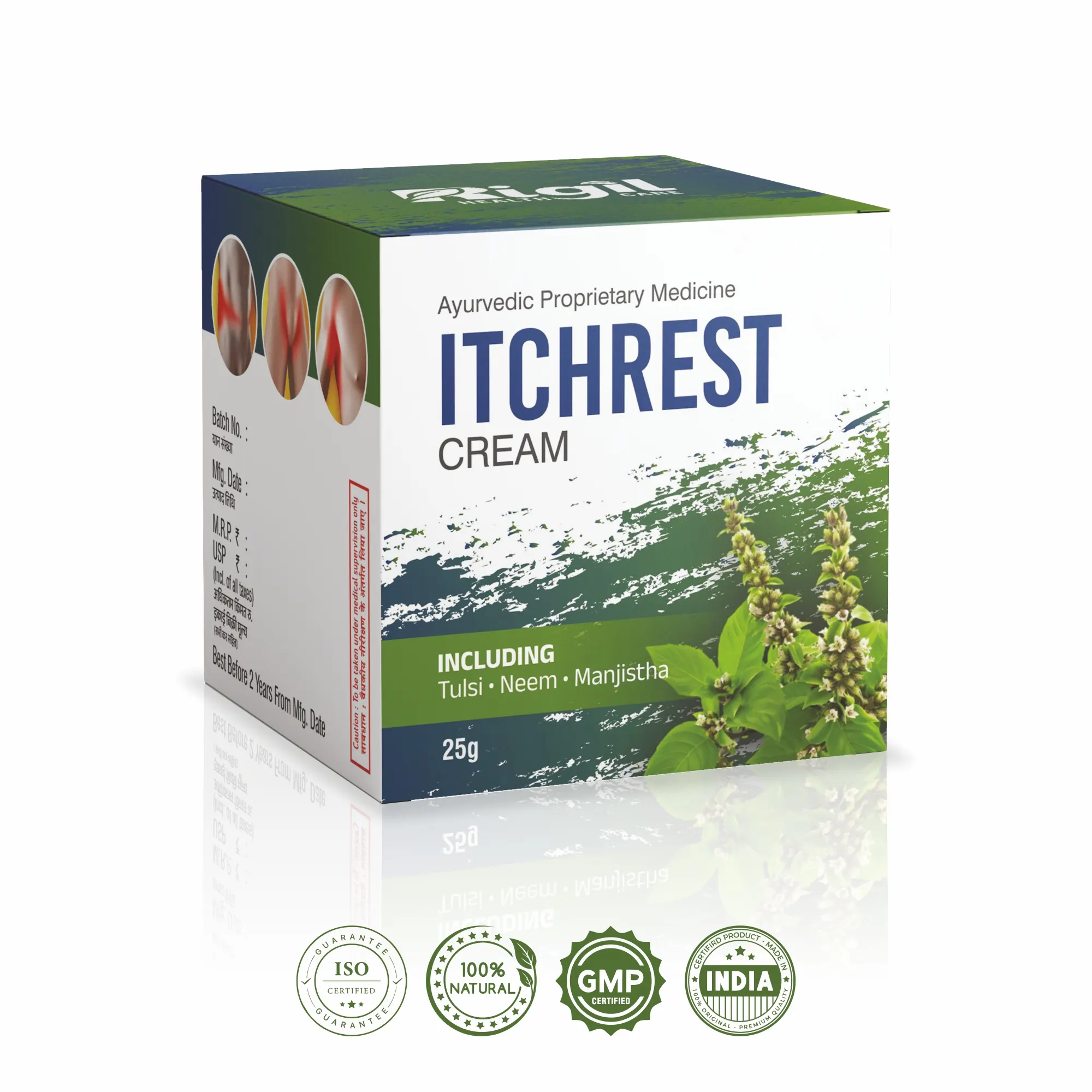
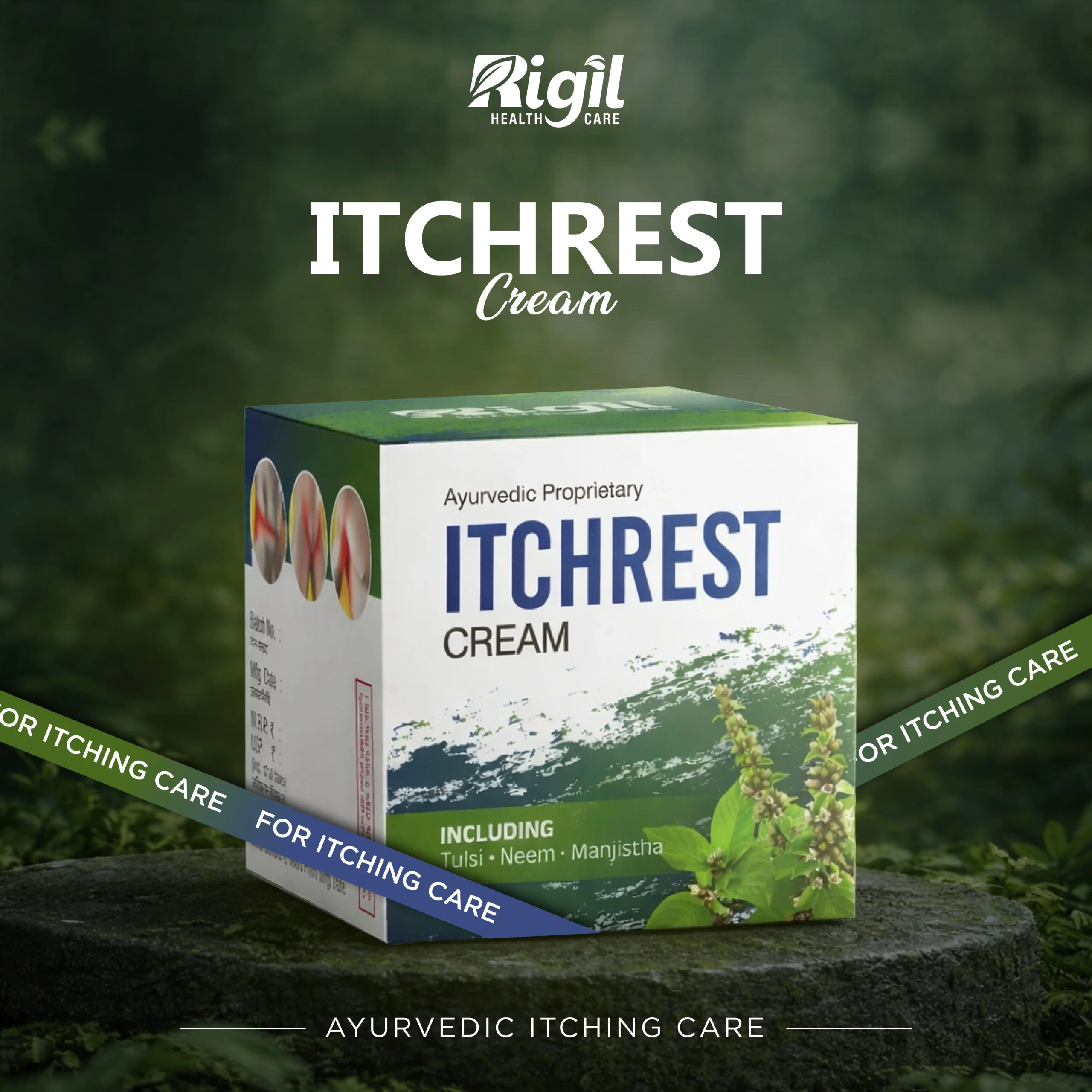
Itchrest Cream is an Ayurvedic topical formulation made with Neem, Manjistha, Tulsi, Garlic, Sulfur and other selected herbal ingredients. It is formulated for external use to support skin comfort and help soothe itching, irritation and dryness.
Itchrest Cream is a powerful anti-itching solution designed to provide instant relief from itching and irritation. Formulated with carefully selected ingredients, it helps soothe the skin and heal damage caused by constant scratching. it helps to prevent future irritation and promotes a more resilient complexion. Say goodbye to the relentless cycle of itching and scratching with Itchrest Cream, your go-to solution for healthy, comfortable skin.
What is Itchrest Cream?
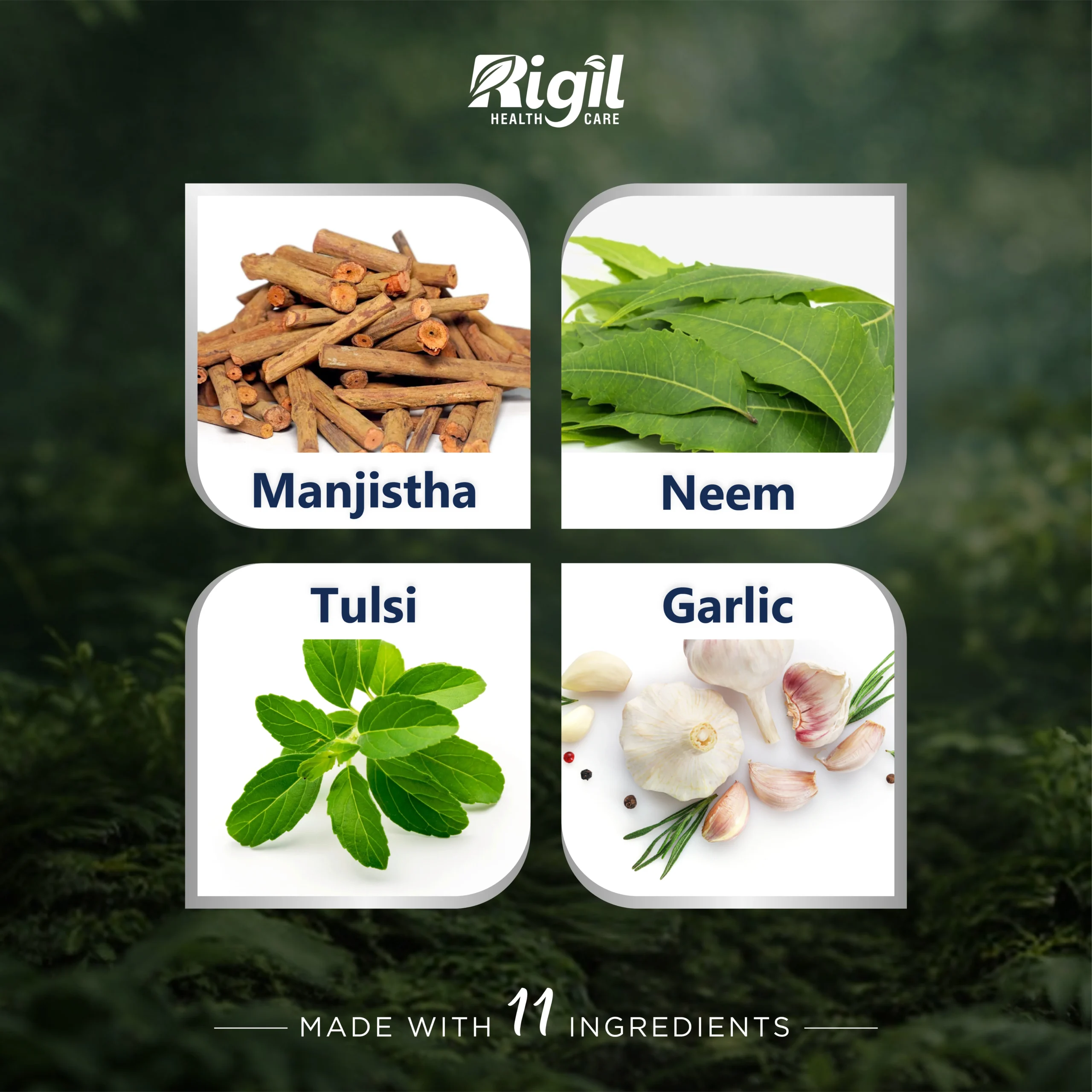
Itchrest Cream is an Ayurvedic external-use formulation containing botanical and mineral ingredients traditionally used in skin-care preparations. The formulation includes Neem, Manjistha, Tulsi, Garlic, Sulfur, Tankankhar, Sat Loban, Vetsamla, Nilgiri Oil, Sesame Oil and Coconut Oil.
It is intended to support skin comfort and help soothe itching, irritation and dryness. It should be applied only as directed on the product label or by a qualified healthcare professional.
Effective In
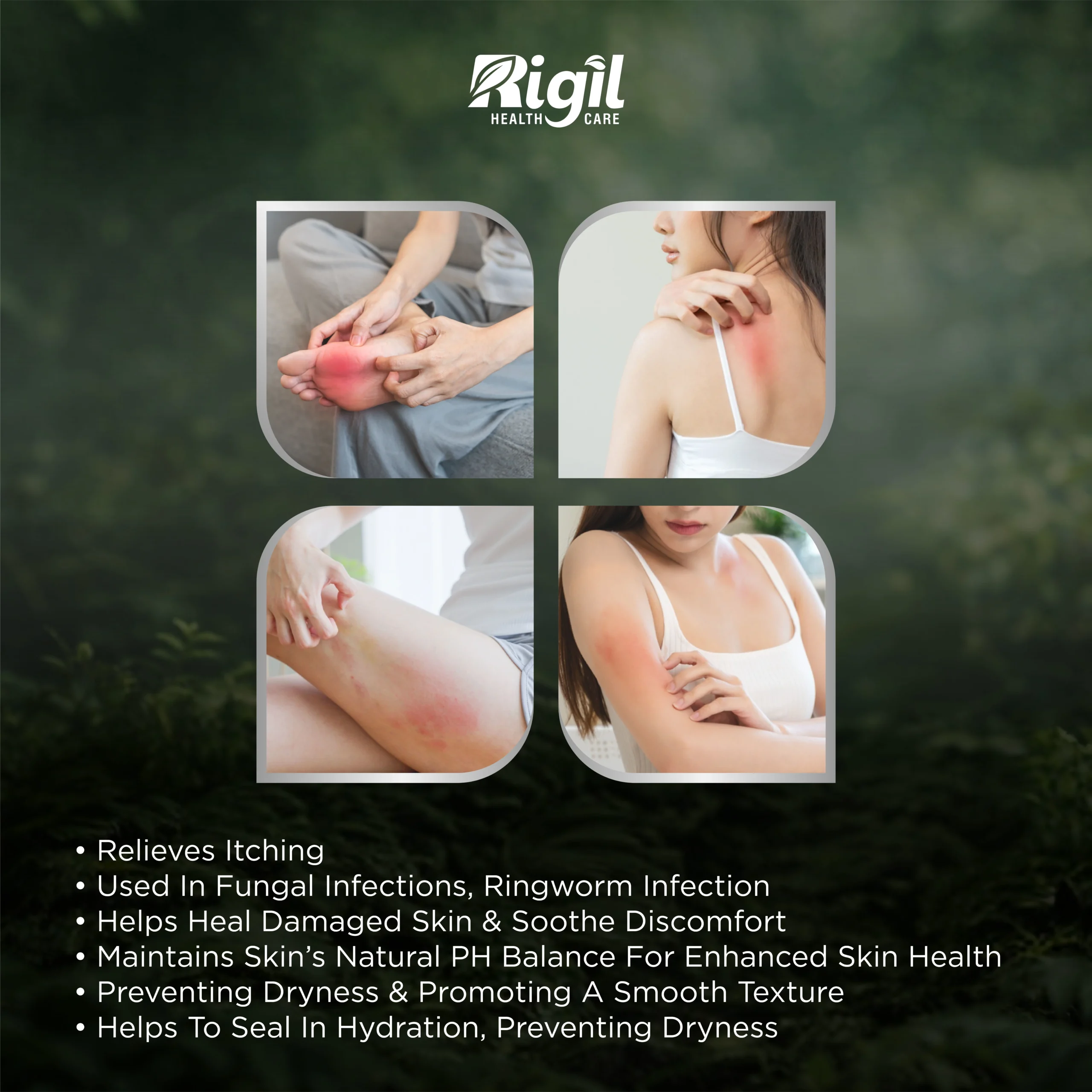
- Anti- itching
- Used in fungal infections, ringworm infection
- Helps heal damaged skin and soothe discomfort.
- Maintains skin’s natural pH balance for enhanced skin health.
- Moisturizes the skin, preventing dryness and promoting a smooth texture.
- Formulated without harsh chemicals to prevent further irritation.
- Helps to seal in hydration, preventing dryness.
Cream Composition:
| SR | INGREDIENT | QUANTITY | INGREDIENT |
| NO. | Each Cap. Contains | ||
| 1 | Neem (Azadirachta indica) | 3% | Traditionally used in Ayurvedic skin-care preparations |
| 2 | Manjistha (Rubia cordifolia) | 2% | Traditionally used in herbal skin-care formulations |
| 3 | Tulsi ( Ocimum sanctum) | 2% | Traditionally used in traditional skin-care preparations |
| 4 | Garlic (Allium sativum) | 2% | Used traditionally in various topical preparations |
| 5 | Suddha Ghandhak (Sulfur) | 2% | Traditionally used in Ayurvedic skin formulations |
| 6 | Tankankhar | 2% | Traditional topical formulation ingredient |
| 7 | Sat Loban (Styrax benzoin) | 4% | Used traditionally in topical preparations |
| 8 | Vetsamla (garcinia pedunculata) | 8% | Botanical ingredient used in the formulation |
| 9 | Nilgiri Oil (Eucalyptus globulus) | 2% | Used in topical preparations for a cooling/aromatic experience |
| 10 | Til Oil (Sesame Oil): Sesamum indicum | 3% | Used as a traditional skin-care oil/base ingredient |
| 11 | Coconut Oil: Cocos nucifera | 2% | Traditionally used to moisturize and condition skin |
| Excipient | Q.S. | Base/formulation |
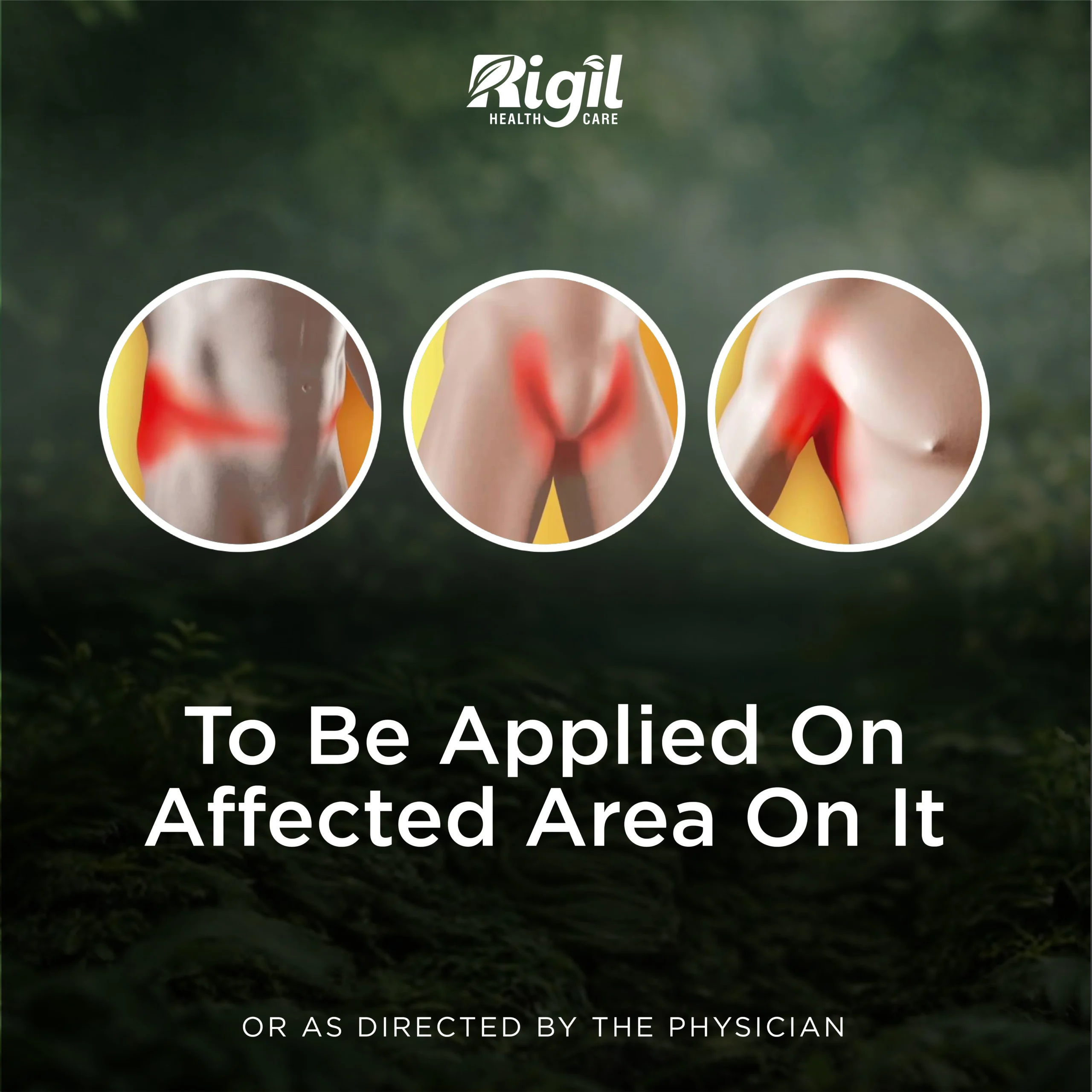
Dosages: To be applied on affected area on it OR As directed by the physician
Itchrest Cream and Fungal Skin Infections
Itching can occur for many reasons, including dryness, irritation, allergy, and fungal infections. Ringworm and other fungal infections may require an appropriate antifungal treatment.
Itchrest Cream should not be presented as a substitute for diagnosis or prescribed antifungal treatment. If the affected area is spreading, painful, oozing, repeatedly returning, or not improving, consult a qualified healthcare professional for appropriate evaluation.
Safety & Precautions
- For external use only.
- Avoid contact with eyes and mucous membranes.
- Do not apply to broken or severely irritated skin unless advised by a healthcare professional.
- Discontinue use if significant irritation or an allergic reaction occurs.
- Keep out of reach of children.
- Do not use more frequently than recommended on the product label.
- If itching is persistent, severe, or associated with swelling, pain, discharge, or spreading skin changes, seek professional medical advice.
- Consult a qualified healthcare professional before use if you have a known skin condition or are using other topical medicines.
What Does Research Say About the Ingredients?
Some ingredients used in Itchrest Cream, such as neem, garlic, sulfur, and eucalyptus, have been investigated in laboratory, traditional medicine, or topical skin-care research.
However, evidence about an individual ingredient should not automatically be presented as clinical proof that the finished Itchrest Cream treats a specific skin disease. The effect of a finished formulation depends on its complete composition, concentrations, preparation, and intended use.
Traditional Ayurvedic use and modern clinical evidence should therefore be considered separately.
Key Takeaways
- Itchrest Cream is an Ayurvedic topical formulation for external use.
- It contains neem, manjistha, tulsi, garlic, sulfur, and other botanical ingredients.
- It is formulated to support skin comfort and help soothe itching and dryness.
- It should be used according to the product label or professional advice.
- Persistent, spreading, or severe skin symptoms should be professionally evaluated.
- It should not be promoted as a replacement for appropriate treatment of fungal infections.
Itchrest Cream FAQs
What is Itchrest Cream used for?
Itchrest Cream is an Ayurvedic topical formulation intended to support skin comfort and help soothe itching, irritation, and dryness.
What are the ingredients in Itchrest Cream?
It contains neem, manjistha, tulsi, garlic, shuddha gandhak (sulfur), tankankhar, sat loban, vetsamla, nilgiri oil, sesame oil, and coconut oil.
Can Itchrest Cream be used for ringworm?
Ringworm is a fungal infection and may require an appropriate antifungal treatment. Itchrest Cream should not be presented as a replacement for professional diagnosis or prescribed antifungal therapy.
Is Itchrest Cream for external use?
Yes. It is intended for external use only and should be used according to the product label or professional advice.
Can Itchrest Cream be applied to broken skin?
Avoid applying it to broken or severely irritated skin unless advised by a qualified healthcare professional.
What should I do if itching does not improve?
Persistent or worsening itching should be evaluated by a qualified healthcare professional because itching can have different causes.