
Category Archives: Uncategorized

Herbal Products Manufacturer

Summary

Choosing the right herbal products manufacturer in Gujarat is important for businesses looking to launch high-quality Ayurvedic and herbal wellness products. This guide explains the manufacturing capabilities, product range, quality standards, certifications, and benefits of partnering with an experienced herbal manufacturing company.

Introduction

If you are looking for a trusted Herbal Products Manufacturer in Gujarat, Rigil Healthcare stands as one of the leading names in India’s Ayurvedic and herbal industry. We specialize in crafting pure, effective, and science-backed herbal formulations that blend traditional Ayurvedic wisdom with modern production standards.

As a GMP & ISO-certified herbal product manufacturer, we focus on delivering quality herbal medicines, syrups, tablets, capsules, and oils — helping people live healthier, more natural lives.

With growing demand for herbal wellness products, businesses increasingly seek reliable manufacturing partners that can provide quality formulations, regulatory compliance, customization options, and scalable production capabilities.

Why Gujarat is a Hub for Herbal Product Manufacturing

Gujarat is recognized as one of India’s leading pharmaceutical and healthcare manufacturing regions. The state offers strong industrial infrastructure, skilled professionals, efficient logistics networks, and access to quality raw materials, making it a preferred destination for herbal and Ayurvedic product manufacturing.

Many national and international brands choose Gujarat-based manufacturers for their production requirements because of these advantages.

Why Rigil Healthcare is a Leading Herbal Products Manufacturer in Gujarat

At Rigil Healthcare, we believe that nature holds the key to healing. Gujarat has long been known for its contribution to India’s pharmaceutical and herbal industries, and we are proud to be part of that heritage.

We offer Ayurvedic manufacturing services for brands across India and overseas, ensuring consistent quality, purity, and efficacy.

✅ Our Strengths:

  • Modern Manufacturing Facility – Equipped with state-of-the-art technology and hygiene standards.
  • Experienced Ayurvedic Experts – Our formulations are developed under the guidance of qualified Ayurvedic doctors and herbal scientists.
  • Wide Product Range – Herbal capsules, syrups, tablets, powders, oils, and tonics.
  • Custom Formulation Service – Develop your own private label herbal products with our R&D team.
  • GMP, ISO & AYUSH Approved – Ensuring the highest quality assurance at every step.

Key Factors to Consider When Choosing a Herbal Products Manufacturer

FactorImportance
GMP CertificationEnsures manufacturing quality standards
AYUSH ComplianceSupports regulatory requirements
Product RangeAllows business expansion
R&D SupportHelps create customized formulations
Quality TestingImproves product consistency
Manufacturing CapacitySupports business growth

Evaluating these factors can help businesses select a reliable herbal manufacturing partner.

Range of Herbal & Ayurvedic Products We Manufacture

As a reputed herbal products manufacturer in Gujarat, our goal is to create products that promote wellness and balance.

Our Major Product Categories:

  • Herbal Syrups & Tonics – Immunity booster syrups, digestive tonics, cough syrups, liver care tonics.
  • Ayurvedic Capsules & Tablets – For stress relief, weight management, joint pain, and immunity.
  • Herbal Oils – Pain relief oils, skin care oils, and rejuvenating body oils.
  • Personal Care Range – Ayurvedic shampoos, creams, and herbal cosmetics for skin & hair.
  • Powders & Granules – Churna formulations for detoxification, digestion, and general health.

Our products are formulated using carefully selected herbal ingredients and undergo quality testing before packaging.

Our Manufacturing Process — Combining Tradition with Technology

At Rigil Healthcare, each product is developed using authentic herbs sourced from trusted suppliers across India. Our production follows a meticulous process that ensures:

  • Accurate herb selection and quality testing
  • Scientific extraction of natural actives
  • Standardization for consistent efficacy
  • Packaging that retains freshness and potency

We follow the ancient Ayurvedic principles (Charaka & Sushruta Samhitas) blended with modern pharma-grade quality control systems.

Benefits of Partnering with Rigil Healthcare

Choosing Rigil Healthcare as your Ayurvedic and Herbal Products Manufacturer in Gujarat offers long-term value for your business:

Customer Benefits:

  • 100% herbal and natural ingredients
  • Free from parabens, sulfates, or synthetic additives
  • Cruelty-free and eco-friendly manufacturing
  • Backed by ancient Ayurvedic knowledge

FAQs — Herbal Product Manufacturing in Gujarat

❓ 1. What types of herbal products do you manufacture?

We manufacture herbal syrups, capsules, tablets, oils, creams, and powders — all made from authentic Ayurvedic herbs.

❓ 2. Can you manufacture private label or third-party Ayurvedic products?

Yes, Rigil Healthcare provides third-party and private label Ayurvedic manufacturing services for national and international brands.

❓ 3. Are your herbal products GMP certified?

Absolutely. All our herbal and Ayurvedic products are manufactured under GMP and ISO-certified facilities following AYUSH standards.

❓ 4. How do I partner with your company for herbal product manufacturing?

You can contact us via our website and share your requirements — our expert team will guide you through product formulation, packaging, and manufacturing.

Choose Rigil Healthcare — Your Trusted Herbal Products Manufacturer in Gujarat

Whether you are a startup or an established Ayurvedic brand, Rigil Healthcare is the trusted partner for herbal product manufacturing in Gujarat. We ensure your brand delivers safe, effective, and premium herbal wellness products that customers trust.

Our mission is simple — to bring Ayurveda’s power to every household in India and across the world.

Conclusion

Selecting a reliable herbal products manufacturer in Gujarat is an important step for businesses looking to build successful herbal and Ayurvedic brands. Factors such as certifications, manufacturing capabilities, quality standards, customization options, and long-term support should be carefully evaluated before choosing a manufacturing partner.

A manufacturer with strong infrastructure, regulatory compliance, and quality-focused processes can help businesses scale their product offerings more effectively.
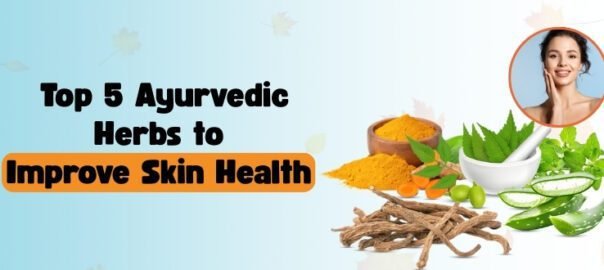
improve skin health

Summary

Ayurvedic herbs have been used for centuries to support healthy, glowing, and balanced skin naturally. Ingredients such as Neem, Aloe Vera, Turmeric, Tulsi, and Manjistha are widely known for their skin-supporting properties and are commonly included in Ayurvedic skincare routines. This guide explores the benefits of these herbs and how they may help improve overall skin health.

Introduction – Why Ayurveda for Skin Health?

Healthy, glowing skin is a reflection of overall wellness. In Ayurveda, the skin is considered a mirror of internal balance — meaning when your body is nourished and detoxified, your skin naturally radiates beauty. Unlike chemical-based solutions that offer temporary results, Ayurvedic herbs help improve skin health naturally by working from within to restore balance, detoxify the body, and rejuvenate skin cells.

If you’re looking for Ayurvedic herbs for glowing skin, these five time-tested remedies can be your natural beauty secret.

Key Takeaways

  • Ayurveda views healthy skin as a reflection of overall wellness and internal balance.
  • Herbs such as Neem, Aloe Vera, Turmeric, Tulsi, and Manjistha are traditionally used to support skin health.
  • A balanced diet, hydration, and healthy lifestyle complement Ayurvedic skincare practices.
  • Results may vary depending on individual skin type, consistency, and overall health.
  • Persistent or severe skin conditions should be evaluated by a qualified healthcare professional.

How Ayurveda Supports Healthy Skin

According to Ayurveda, healthy skin is closely connected to overall wellness, digestion, and internal balance. Skin concerns such as acne, dryness, dullness, and uneven skin tone are often viewed as signs of internal imbalance.

Ayurvedic skincare focuses on supporting skin health through herbal ingredients, healthy nutrition, proper hydration, and balanced lifestyle habits.

Best Ayurvedic Herbs for Different Skin Concerns

Skin ConcernRecommended Ayurvedic Herb
Acne & PimplesNeem, Tulsi
Dry SkinAloe Vera
Dull SkinTurmeric
Uneven Skin ToneManjistha
Sensitive SkinAloe Vera, Sandalwood
Oily SkinNeem, Tulsi

Different Ayurvedic herbs may support different skin concerns depending on individual skin type and skincare goals.

Top 5 Ayurvedic Herbs for Skin Health

1. Neem – The Skin Purifier

Neem is known as the ultimate detoxifier in Ayurveda. Its antibacterial, antifungal, and anti-inflammatory properties help fight acne, reduce blemishes, and purify the blood for clear, radiant skin.

👉 Best for: Oily and acne-prone skin.

Neem is one of the most widely used Ayurvedic herbs for acne-prone skin because of its natural cleansing and purifying properties.

2. Aloe Vera – Natural Hydration Secret

Aloe Vera is a natural moisturizer that keeps your skin hydrated and nourished. It soothes irritation, reduces sunburn, and promotes faster healing of scars while keeping your skin soft and supple.

👉 Best for: Dry, sensitive, and sun-damaged skin.

Aloe vera provides lightweight hydration and is commonly used in Ayurvedic skincare routines for maintaining skin moisture.

3. Turmeric – The Golden Glow Herb

Turmeric, also called “Haridra” in Ayurveda, is a powerful anti-inflammatory and antioxidant herb. It enhances complexion, fights pigmentation, and reduces skin aging by protecting against free radicals.

👉 Best for: Dull skin, uneven tone, and anti-aging care.

Turmeric is traditionally used to support naturally glowing skin and improve overall skin appearance.

4. Tulsi (Holy Basil) – The Natural Detox

Tulsi is considered sacred in Ayurveda and is well-known for its detoxifying and antibacterial effects. It helps control excess oil, clears clogged pores, and reduces breakouts while promoting natural glow.

👉 Best for: Combination and acne-prone skin.

Tulsi is often included in herbal skincare products designed for oily and acne-prone skin.

5. Manjistha – The Complexion Enhancer

Manjistha is one of the best blood purifiers in Ayurveda. It helps remove toxins, reduces hyperpigmentation, and gives skin a naturally even tone. Regular use of Manjistha improves complexion and supports youthful-looking skin.

👉 Best for: Hyperpigmentation and uneven skin tone.

Manjistha is traditionally valued in Ayurveda for supporting clearer and more even-looking skin.

Why Choose Ayurvedic Herbs Over Chemicals?

Unlike chemical-based products that may damage skin in the long run, Ayurvedic skin care remedies improve skin health naturally. They not only address visible issues like acne, dryness, or pigmentation but also balance the body’s internal systems — ensuring long-lasting results without side effects.

Explore Ayurvedic Skin Care Products

Ayurvedic skin care products formulated with traditional herbs such as Neem, Aloe Vera, Turmeric, Tulsi, and Manjistha are commonly used to support healthy and naturally glowing skin. Choosing quality formulations and maintaining a consistent skincare routine can help improve overall skin wellness.

FAQs

Q1. Which Ayurvedic herb is best to improve skin health naturally?

Neem and Manjistha are considered excellent for purifying the blood and promoting clear, glowing skin.

Q2. Can Ayurvedic remedies help with acne and pimples?

Yes, herbs like Neem, Tulsi, and Turmeric are highly effective in reducing acne, inflammation, and scars.

Q3. How long does it take for Ayurvedic herbs to show results on skin?

Results vary, but with consistent use of Ayurvedic skin care products, visible improvement in skin health is usually noticed within 4–6 weeks.

Q4. Are Ayurvedic herbs safe for all skin types?

Yes, they are generally safe. However, always do a patch test before applying new products.

Call to Action

Ayurveda offers natural, long-term solutions to improve skin health and restore inner balance. Herbs like Neem, Aloe Vera, Turmeric, Tulsi, and Manjistha have been trusted for centuries to support healthy, glowing skin without side effects.

✨ Ready to experience radiant skin the natural way?

👉 Shop Ayurvedic Skin Care Products at Rigil Healthcare

Conclusion

Ayurvedic herbs such as Neem, Aloe Vera, Turmeric, Tulsi, and Manjistha continue to be widely used for supporting healthy and naturally glowing skin. When combined with proper skincare habits, balanced nutrition, and a healthy lifestyle, these traditional herbs may help maintain overall skin wellness and improve skin appearance naturally.

Disclaimer: This article is intended for educational purposes only and should not be considered medical advice. Consult a qualified healthcare professional before starting any treatment or supplement.

About the Author

Rigil Healthcare Content Team

The Rigil Healthcare Content Team specializes in Ayurvedic healthcare, herbal wellness and natural health solutions. Our team works closely with Ayurvedic experts and formulation specialists to create educational content that helps readers make informed decisions about holistic wellness.

Experience: Ayurvedic Product Development & Herbal Wellness

Specialization: Ayurvedic Formulations, Herbal Ingredients, Natural Healthcare

Website: Rigil Healthcare

Scientific References

1. National Center for Biotechnology Information (NCBI) – Research on Picrorhiza kurroa (Kutki) and liver health.
2. National Center for Biotechnology Information (NCBI) – Studies on Andrographis paniculata (Kalmegh).
3. Ministry of AYUSH, Government of India – Ayurveda and Liver Wellness.
4. World Health Organization (WHO) – Traditional Medicine Resources.

blood sugar control

Summary

Guava leaves have been used in traditional Ayurvedic practices for centuries to support digestion, metabolic wellness, immunity, and cardiovascular health. Rich in antioxidants and plant compounds, guava leaves are particularly known for their role in supporting healthy blood glucose levels and digestive balance. This guide explores the Ayurvedic benefits of guava leaves, their traditional uses, and practical ways to include them in a wellness routine.

Introduction

The delicious fruit is typically what comes to mind when we think of guava. But in Ayurveda, the leaves of the guava plant are just as valuable. For centuries, they have been used as a natural remedy for many health issues, especially for managing blood sugar control levels.

Guava leaves are full of antioxidants, flavonoids, and plant compounds that help the body stay healthy. They are known to control blood sugar, improve digestion, boost immunity, and support heart health.

In this article, let’s explore the health benefits of guava leaves in Ayurveda, how they help with blood glucose control, and how you can use them in daily life.

Guava Leaves in Ayurveda

In Ayurveda, guava leaves are considered cooling, light, and detoxifying. They help balance the Pitta and Kapha doshas, which are often linked to digestion problems, inflammation, and metabolic issues like diabetes.

  • Taste (Rasa): Astringent and slightly bitter
  • Qualities (Guna): Light and dry
  • Potency (Virya): Cooling
  • Effect after digestion (Vipaka): Sweet

Because of these properties, guava leaves are used to treat digestion issues, blood sugar imbalance, and infections naturally.

Top Health Benefits of Guava Leaves

1. Supports Blood Sugar Control

The most important benefit of guava leaves is their ability to blood sugar control.

  • Improves insulin sensitivity.
  • Reduces sugar absorption in the intestines.
  • Prevents sudden spikes in blood glucose after meals.

👉 This makes guava leaves very useful for people with diabetes or prediabetes. In Ayurveda, they are considered a safe and natural way to keep blood sugar management.

2. Improves Digestion

Guava leaves are a traditional remedy for many digestive problems.

  • Helps relieve constipation, bloating, and acidity.
  • Effective in treating diarrhea and other stomach infections.
  • Supports healthy gut bacteria.

Drinking guava leaf tea is one of the easiest ways to keep your digestion healthy.

3. Boosts Immunity and Detoxifies the Body

Rich in vitamin C, flavonoids, and antioxidants, guava leaves help strengthen the body’s natural defense system.

  • Protects against infections and seasonal illnesses.
  • Helps remove toxins from the body.
  • Reduces inflammation and free radical damage.

Regular use of guava leaves supports long-term wellness and energy.

4. Supports Heart Health

Guava leaves are good for your heart and circulation.

  • Raises HDL (good cholesterol) and decreases LDL (bad cholesterol).
  • Helps maintain normal blood pressure.
  • Improves blood circulation and keeps arteries healthy.

This makes guava leaves an important Ayurvedic remedy for heart health.

How to Use Guava Leaves

  1. Guava Leaf TeaBoil 5–6 fresh guava leaves in 2 cups of water for 10 minutes, strain, and drink. Best in the morning or after meals.
  2. Guava Leaf Decoction – A stronger version of tea, made by boiling for 15–20 minutes.
  3. Powder Form – Dried guava leaves can be ground and taken in small doses with warm water.
  4. Ayurvedic Supplements – Available as guava leaf capsules or extracts.

⚠️ Tip: Always consult a doctor or Ayurvedic expert before starting guava leaves if you are already on diabetes or heart medication.

FAQs 

1. Can guava leaves help control diabetes?

Yes. Guava leaves are known to lower blood sugar levels naturally by improving insulin function and reducing sugar absorption.

2. Are there any side effects of guava leaves?

Guava leaves are generally safe, but excess consumption may cause stomach upset. People on blood sugar-lowering medicines should take them under medical guidance.

3. Can guava leaves improve digestion?

Yes. They are widely used in Ayurveda for constipation, diarrhea, bloating, and gut infections.

4. Where can I get guava leaf supplements?

You can use fresh leaves if available, or buy Ayurvedic guava leaf powders, teas, or capsules from trusted healthcare brands.

Final Thoughts

Guava leaves are one of the most effective Ayurvedic remedies for maintaining health naturally. They are especially helpful in controlling blood sugar, improving digestion, boosting immunity, and supporting heart health.

By including guava leaves in your wellness routine, you can enjoy their powerful benefits in a safe, natural way.

Guava leaves continue to be widely used in traditional wellness practices because of their potential role in supporting metabolic health, digestion, and overall well-being.

skincare

Summary

The monsoon season can cause oily skin, clogged pores, acne, and dullness due to excess humidity and environmental changes. Following an Ayurvedic monsoon skincare routine with natural ingredients such as neem, aloe vera, turmeric, tulsi, and sandalwood may help support healthy, balanced, and naturally glowing skin throughout the rainy season.

Introduction

The monsoon season refreshes our surroundings but can leave our skin feeling dull, oily, and prone to breakouts. Excess humidity, clogged pores, and fungal infections are common concerns. The best way to combat these issues is by following a monsoon skincare routine rooted in Ayurveda. With centuries-old wisdom and natural herbs, Ayurvedic skincare for rainy season helps restore balance, prevent skin problems, and keep your glow intact — naturally.

Many people experience increased oiliness, breakouts, skin irritation, and uneven skin texture during the rainy season. Ayurvedic skincare for the monsoon focuses on balancing the skin naturally through herbal ingredients and daily skincare practices that support long-term skin wellness.

Why Skin Problems Increase During the Monsoon

During the rainy season, increased humidity can affect the skin’s natural balance. Excess moisture, sweat, and environmental pollutants may contribute to clogged pores, acne breakouts, fungal infections, and dull-looking skin.

Common monsoon skin concerns include:

  • Oily skin
  • Acne and pimples
  • Clogged pores
  • Fungal infections
  • Skin irritation
  • Uneven skin tone

A proper Ayurvedic skincare routine can help support healthier skin during seasonal changes.

Why Monsoon Demands a Special Skincare Approach

During the rainy season, the skin’s oil production can fluctuate, leading to excessive greasiness for some and dehydration for others. Ayurveda focuses on balancing the Pitta and Kapha doshas, which often get aggravated in monsoon. This balance ensures your skin stays healthy, radiant, and infection-free.

Ayurvedic Remedies for Glowing Skin in Monsoon

1. Neem – Nature’s Skin Purifier

  • Benefits: Fights acne, soothes inflammation, and prevents fungal infections.
  • Use: To maintain your skin clear and cleansed, apply neem paste once a week.

2. Aloe Vera – Hydration without Grease

  • Benefits: Moisturizes, soothes irritation, and controls oil production.
  • Use: As a daily moisturizer, apply fresh aloe vera gel.

3. Turmeric – The Golden Glow Secret

  • Benefits: Brightens skin, reduces pigmentation, and has antibacterial properties.
  • Use: Mix turmeric with yogurt for an instant herbal glow face pack.

4. Tulsi – Herbal Detox for Skin

  • Benefits: Clears pores, boosts circulation, and refreshes tired skin.
  • Use: For a natural detox, apply tulsi paste for ten minutes.

5. Sandalwood – Cooling and Healing

  • Benefits: Calms redness, prevents rashes, and gives a natural glow.
  • Use: Blend sandalwood powder with rose water for a soothing pack.

Best Ayurvedic Ingredients for Common Monsoon Skin Problems

Skin ConcernRecommended Ayurvedic Ingredient
Oily SkinNeem, Tulsi
Acne & PimplesNeem, Turmeric
Dull SkinTurmeric, Sandalwood
Dry SkinAloe Vera
Sensitive SkinSandalwood
Uneven Skin ToneTurmeric

Choosing the right Ayurvedic ingredients according to your skin concern can help improve your skincare routine during the monsoon season.

Daily Herbal Skincare Routine in Monsoon

  1. Cleansing: Use a gentle herbal cleanser with neem or tulsi twice a day.
  2. Exfoliation: Scrub twice weekly with an Ayurvedic ubtan made of chickpea flour, turmeric, and milk.
  3. Toning: Spritz pure rose water to balance your skin’s pH.
  4. Moisturizing: Use aloe vera gel for hydration without heaviness.
  5. Protection: Even on overcast days, use a herbal sunscreen.

Consistency is important in Ayurvedic skincare. Following a simple daily routine may help maintain skin balance and reduce common monsoon skin concerns.

Best Herbal Face Packs for Monsoon Humidity

  • Neem & Aloe Vera Pack: Controls oil and prevents breakouts.
  • Yogurt & Turmeric Pack: Brightens and brightens.
  • Sandalwood & Rose Water Pack: Soothes and cools irritated skin.

Foods That Support Healthy Skin During Monsoon

Ayurveda emphasizes that healthy skin starts from within. Certain foods may help support skin health during the rainy season. Recommended foods:

  • Fresh fruits
  • Leafy green vegetables
  • Amla
  • Tulsi tea
  • Warm herbal drinks

Try to reduce excessive fried foods, processed snacks, and sugary beverages during the monsoon season.

Ayurvedic Skincare Tips for Oily Skin in Monsoon

  • Avoid heavy creams — choose light herbal moisturizers.
  • Wash your face twice daily to remove excess sebum.
  • Use a neem-based face mask weekly to control oil production.

Regular cleansing and weekly herbal face masks may help control excess oil and keep pores cleaner during humid weather.

Rainy Season Skincare with Natural Ingredients – Extra Tips

  • Drink herbal teas like tulsi and ginger to detox from within.
  • Keep your skin dry after exposure to rain.
  • Avoid chemical-heavy cosmetics that can clog pores.

FAQs on Ayurvedic Monsoon Skincare

Q1: Can Ayurveda help with monsoon acne?

A: Yes, herbs like neem, aloe vera, and turmeric have natural antibacterial and oil-control properties that work effectively in the rainy season.

Q2: How often should I exfoliate in monsoon?

A: Twice a week with a mild herbal scrub is enough to keep pores clean without over-drying.

Q3. Which Ayurvedic ingredient is best for oily skin during monsoon?

Neem and tulsi are commonly used Ayurvedic ingredients for managing oily skin during humid weather.

Q4. Can Ayurvedic skincare help with monsoon acne?

Many Ayurvedic herbs such as neem, turmeric, and aloe vera are traditionally used to support healthy skin and help manage acne-prone skin.

Q5. Is aloe vera good for monsoon skincare?

Yes, aloe vera provides lightweight hydration and helps soothe irritated skin without feeling heavy.

Q6. How often should I use an Ayurvedic face pack during monsoon?

Using a herbal face pack one to two times per week is generally sufficient for most skin types.

hair fall solution

Monsoon humidity, scalp infections, and excess moisture can contribute to seasonal hair fall. This guide explains the best Ayurvedic hair fall solutions for the rainy season, including herbal oils, natural cleansers, Ayurvedic hair masks, dietary support, and scalp care tips that may help maintain stronger and healthier hair naturally.

The monsoon season often triggers sudden hair fall due to high humidity, a damp scalp, and increased air pollution. If you’re searching for a trusted Ayurvedic hair fall solution, this blog is for you.

By following ancient Ayurvedic methods and using natural hair care products, you can easily reduce hair fall and restore scalp health during the rainy season.

Many people notice increased hair fall, scalp irritation, and frizzy hair during the monsoon season. Excess humidity can weaken hair roots and create conditions that affect overall scalp health. Following an Ayurvedic hair care routine may help support healthy hair and reduce seasonal hair concerns naturally.

Why Hair Fall Increases During the Monsoon Season

Several factors may contribute to increased hair fall during the rainy season:

  • Excess humidity and moisture
  • Increased scalp sweating
  • Dirt and pollution build-up
  • Fungal scalp issues
  • Weak hair roots
  • Improper hair care habits

Understanding these causes can help you choose the right Ayurvedic hair fall solution for seasonal hair care.

Effective Ayurvedic Hair Fall Solutions for the Monsoon Season

Let’s explore powerful, easy, and proven Ayurvedic remedies to protect your hair during monsoon.

1. Strengthen Your Scalp with Herbal Hair Oil

Regular oiling is a core part of any Ayurvedic hair fall solution. In addition to nourishing the scalp, oiling during the monsoon strengthens hair roots and encourages stronger hair development.

🌿Choose the Right Anti-Hair Fall Herbs

Use oils containing:

  • Bhringraj – promotes hair growth
  • Brahmi – reduces stress-related hair fall
  • Amla – rich in Vitamin C for scalp health

Warm the herbal hair oil and massage your scalp twice a week for best results.

Best Ayurvedic Herbs for Monsoon Hair Care

Ayurvedic HerbHair Benefit
BhringrajSupports healthy hair growth
BrahmiHelps reduce stress-related hair fall
AmlaSupports scalp and hair health
NeemHelps maintain scalp hygiene
Aloe VeraSupports scalp hydration

These herbs are commonly used in Ayurvedic hair care products for monsoon hair protection.

2. Cleanse Hair Gently with Natural Hair Care Products

Chemical shampoos can worsen hair fall. Opt for natural hair care solutions that are free from sulfates and infused with Ayurvedic herbs for healthier, chemical-free nourishment.

🌿Ayurvedic Cleanser for Monsoon

Look for shampoos with:

  • Reetha – natural cleanser
  • Neem – antifungal and antibacterial
  • Aloe Vera – soothes frizz and irritation

This helps reduce build-up, balance oil, and control monsoon hair fall naturally.

3. Apply Weekly Masks with Anti-Hair Fall Herbs

Ayurvedic masks help strengthen hair from root to tip and are excellent for frizzy hair treatment in the monsoon.

🌿DIY Ayurvedic Hair Mask

Ingredients:

  • 2 tsp Amla powder
  • 1 tsp Fenugreek (Methi) powder
  • 2 tbsp curd or aloe vera

Use once a week and rinse off with lukewarm water. This mask is a time-tested monsoon hair fall remedy.

Common Hair Problems During the Monsoon

The rainy season may contribute to:

  • Excess hair fall
  • Frizzy hair
  • Oily scalp
  • Dandruff
  • Scalp irritation
  • Weak hair roots

Following a consistent Ayurvedic hair care routine may help support healthier hair during seasonal weather changes.

4. Eat Right for Internal Hair Nourishment

Your Ayurvedic hair fall solution isn’t complete without a healthy diet. Ayurveda emphasizes internal cleansing and nourishment for strong hair.

🌿Rainy Season Hair Care Diet Tips

Eat foods like:

  • Curry leaves
  • Triphala powder or Amla juice
  • Almonds, flax seeds, pumpkin seeds
  • These foods are essential in your Ayurvedic hair routine to reduce internal causes of hair fall.

Foods That Support Healthy Hair

  • Leafy green vegetables
  • Fresh fruits rich in Vitamin C
  • Almonds and walnuts
  • Pumpkin seeds
  • Flax seeds
  • Protein-rich lentils

A balanced diet plays an important role in maintaining strong and healthy hair.

5. Tame Frizz with Herbal Solutions

Monsoon humidity often leads to frizzy, unmanageable hair. But the right approach can offer lasting frizzy hair treatment.

🌿Ayurvedic Tips to Control Frizz

  • Don’t tie wet hair
  • Use microfiber towels
  • A few drops of herbal hair oil should be gently applied to mildly moist hair.

These habits will maintain shine and reduce breakage.

❓ FAQs

Q1: What is the most effective Ayurvedic solution for hair fall during the monsoon?

A: Regular oiling with Bhringraj, Brahmi, and Amla, combined with a natural shampoo and herbal mask.

Q2: Does frizz mean hair damage?

A: Frizz is common in the monsoon but can be reduced with natural oils and hair masks.

Q3: How often should I oil my hair?

A: Applying herbal hair oil one to two times per week is generally sufficient to nourish the scalp and support healthy hair during the monsoon season.

Q4. Which Ayurvedic herb is best for hair fall?

Bhringraj is widely used in Ayurvedic hair care products to support healthy hair growth and stronger roots.

Q5. Can monsoon humidity damage hair?

Excess humidity may increase frizz, scalp oiliness, and hair breakage if proper hair care is not followed.

Q6. Are Ayurvedic hair care products suitable for daily use?

Many Ayurvedic hair care products are formulated using natural ingredients and can be included in regular hair care routines.

🌟 Final Words

Hair fall in monsoon is common, but it’s not permanent. With the right Ayurvedic hair fall solution, healthy habits, and natural ingredients, you can enjoy thick, shiny, and strong hair all season long.

kesudo flowers

Holi is a festival of colors, laughter, and unity, but have you ever wondered about the origins of traditional Holi colors? Before synthetic dyes became common, people played Holi with natural pigments derived from flowers, herbs, and leaves. One such remarkable flower is the Kesudo (Palash) flower. With its vibrant orange hue and therapeutic properties, Kesudo makes for an excellent, skin-friendly alternative to artificial colors. Let’s dive into the magic of Kesudo flowers and why they should be a part of your Holi celebrations!

Why Kesudo Flowers for Holi?

1. A Natural Skin Cleanser

Kesudo flowers have inherent cleansing properties that help remove impurities from the skin while keeping it fresh and radiant. Unlike chemical colors that clog pores, Palash water gently detoxifies the skin.

2. Heals & Soothes Skin

These flowers are known for their medicinal benefits, often used in Ayurvedic remedies for treating skin disorders, irritations, and infections. If you have sensitive skin, Kesudo-infused water will ensure a soothing Holi experience without adverse reactions.

3. Eco-Friendly & Chemical-Free

Synthetic Holi colors are loaded with toxic chemicals, heavy metals, and artificial dyes that can harm your skin, hair, and environment. Kesudo flowers, on the other hand, are biodegradable, organic, and safe for both you and nature.

Read Also: https://rigilhealthcare.com/product-category/skin-care/

Why Kesudo Water is Perfect for Kids?

Children love to drench themselves in colors, but their delicate skin is more prone to rashes and allergies caused by artificial colors. Here’s why Kesudo is a kid-friendly Holi alternative:

1. Protects Against Skin Allergies

The soothing properties of Kesudo flowers help create a natural shield against skin irritation, redness, and allergic reactions, ensuring a fun and worry-free celebration for your little ones.

2. Nourishes & Hydrates the Skin

Unlike chemical colors that dry out the skin, Kesudo water acts as a natural moisturizer, keeping the skin soft, hydrated, and free from damage.

3. Safe for Eyes & Hair

Harsh chemical-based colors can lead to hair fall and eye irritation. Kesudo water is gentle, non-irritating, and safe, ensuring a comfortable Holi experience for kids and adults alike.

Kesudo Baths: A Refreshing Summer Therapy!

Did you know that Kesudo flowers aren’t just for Holi? They can be used year-round, especially in the summer, to refresh and rejuvenate the skin. Here’s how:

1. Soothes Sunburn & Heat Rashes

With their cooling and anti-inflammatory properties, Kesudo-infused water helps calm sunburns, skin redness, and heat rashes during scorching summers.

2. Keeps Skin Hydrated

A Kesudo bath nourishes and locks in moisture, preventing dryness and ensuring a healthy skin barrier.

3. Relaxing & Rejuvenating

A warm bath infused with Kesudo petals can provide relaxation and stress relief, making it a perfect self-care ritual for both adults and children.

Dhuleti: A Celebration of Colors & New Beginnings

Dhuleti, celebrated the day after Holika Dahan, is a festival of joy, unity, and fresh beginnings. Here’s why it holds special significance:

1. Symbolizes the Victory of Good Over Evil

Dhuleti embodies the spirit of Holika Dahan, reinforcing the message that righteousness always prevails.

2. Strengthens Bonds

Families and friends come together, play with colors, and enjoy traditional Holi delicacies, fostering love and togetherness.

3. A Time for Sharing & Gifting

Exchanging sweets, snacks, and gifts is a beautiful way to spread happiness and strengthen relationships during this festive time.

Will You Choose Kesudo This Holi?

Now that you know the incredible benefits of Kesudo flowers, will you make the switch to this natural and skin-friendly alternative? Share your thoughts and Holi traditions with us in the comments!

Wishing you a colorful, joyful, and safe Holi!

kesuda flowers

Holi is the festival of colors, joy, and togetherness, but did you know that Kesudo (Palash) flowers have been traditionally used for playing Holi? These vibrant orange flowers are not just visually appealing but also offer several skin benefits. Let’s explore why Kesudo flowers are an excellent choice for your Holi celebrations!

Why is Kesudo Used for Playing Holi?

  • Natural Skin Cleanser – Kesudo flowers have been proven to cleanse the skin naturally, leaving it refreshed and healthy.
  • Heals Skin Diseases – The medicinal properties of these flowers help in soothing and treating various skin disorders.
  • Eco-Friendly & Chemical-Free – Unlike synthetic colors that can cause rashes and irritation, Palash water is a safe, natural, and organic alternative for Holi.

Read Also: https://rigilhealthcare.com/product-category/skin-care/

Why Are Kesudo Flowers Good for Kids?

  • Protects Against Skin Allergies – Kids have sensitive skin, and Kesudo water acts as a protective barrier against allergies and rashes.
  • Gentle & Nourishing – Unlike artificial colors, Kesudo water hydrates and nourishes the skin, keeping it soft and irritation-free.
  • Safe for the Eyes & Hair – Harsh chemical colors can damage hair and irritate the eyes, but Kesudo offers a safe and gentle experience for children.

A Refreshing Summer Remedy: Kesudo Bath

Did you know that Kesudo flowers are not just for Holi? You can prepare Kesudo-infused water and use it for baths during summer. Here’s why:

  • Soothes Sunburn & Heat Rashes – The cooling properties of Kesudo help in calming sunburns and heat-related skin irritations.
  • Keeps Skin Hydrated – Regular use of Kesudo water prevents dryness and keeps the skin naturally moisturized.
  • Relaxing & Rejuvenating – A Kesudo bath refreshes and revitalizes both kids and adults, making it an excellent summer therapy.

Dhuleti: The Festival of Colors & New Beginnings

Dhuleti, celebrated just after Holi, marks the beginning of the Hindu New Year. It is a day filled with colors, joy, and the spirit of togetherness. Here’s why it’s special:

  • Symbolizes the Victory of Good Over Evil – Just like Holika Dahan signifies the triumph of good, Dhuleti spreads positivity and happiness.
  • Brings People Together – Friends and families gather to celebrate, play with colors, and enjoy festive delicacies.
  • A Time for Gift-Giving – Exchanging sweets and gifts is a cherished tradition, strengthening bonds and relationships.

How Do You Celebrate?

Now that you know the incredible benefits of Kesudo flowers, would you consider using Palash water for Holi this year? Share your Holi-Dhuleti traditions with us!

Wishing you a vibrant, safe, and joyful Holi!